 Aravind Nethi
 Showcaseme
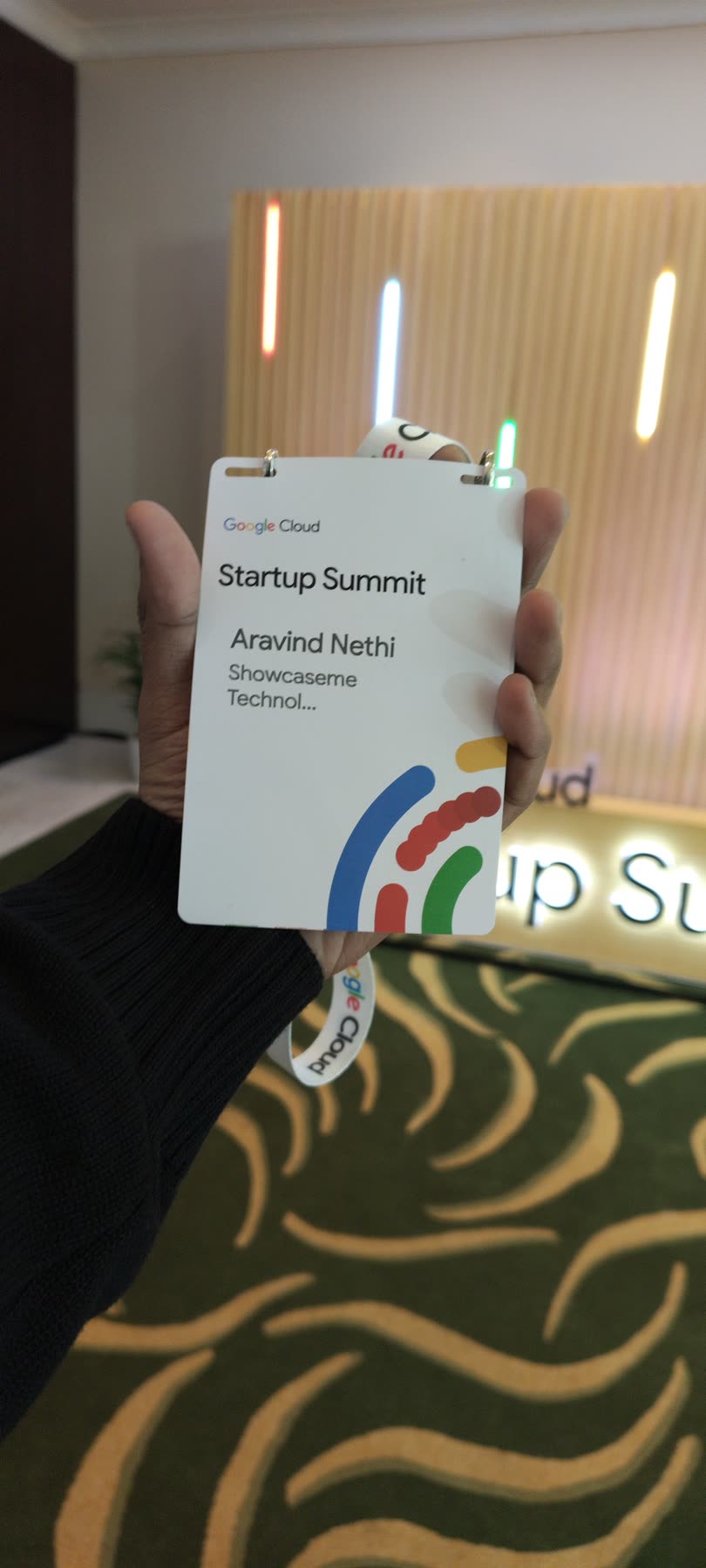
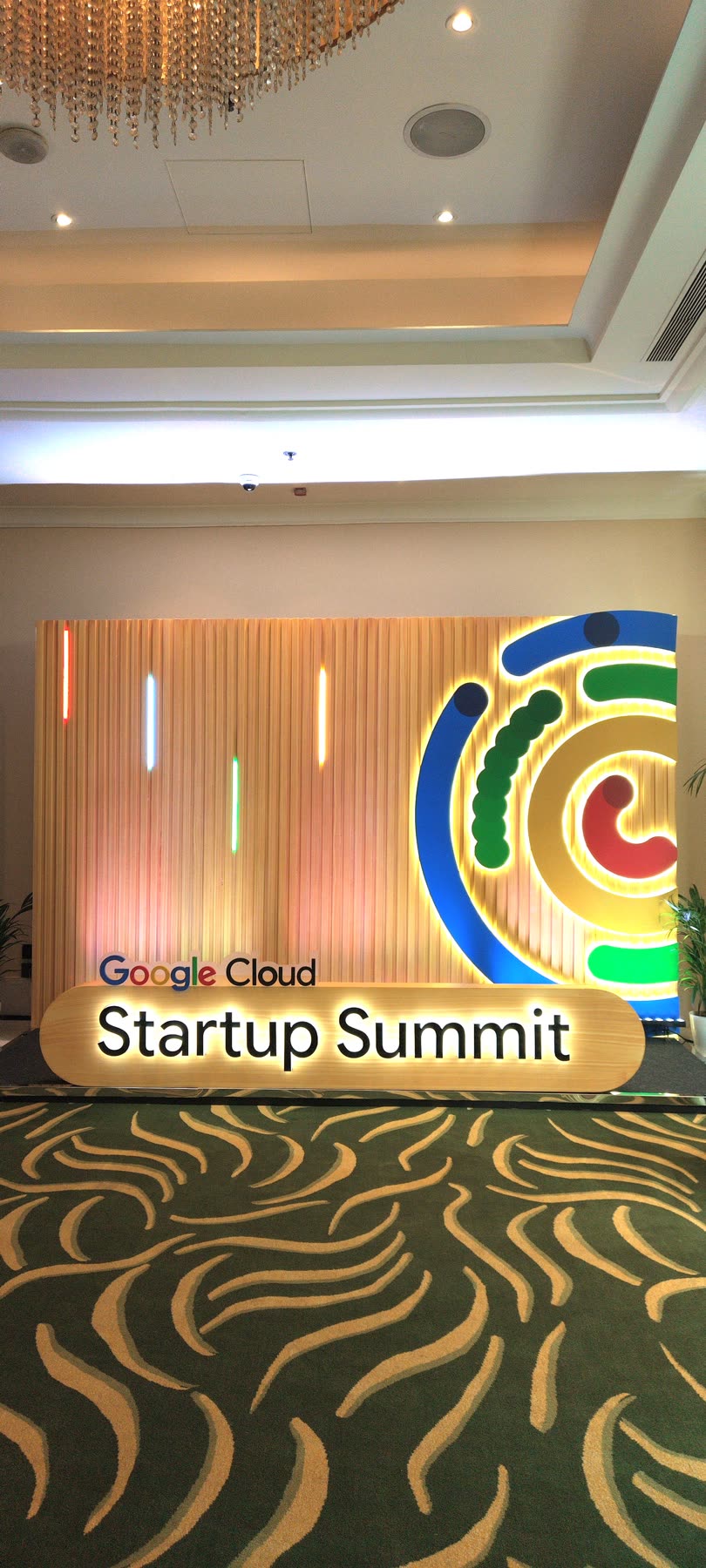
On 30 September, I had the privilege of attending the Google Cloud Startup Summit in Bengaluru, India, through Showcaseme.
I went in expecting to learn about the latest AI capabilities. I came back thinking about something much bigger: how do we turn AI capabilities into real, measurable business outcomes?
A few insights that stayed with me.
1. Generative AI is becoming Agentic AI
The conversation is shifting from “What can AI generate?” to “What can AI actually do?” The next phase is about agents that can reason, use tools, take autonomous actions and create measurable impact.
For businesses, that impact ultimately comes down to:
- Optimizing costs
- Improving customer retention
- Generating revenue
The interesting part isn’t the word “agent”. It is whether the agent actually solves a business problem.
2. Better prompts aren’t necessarily the answer. Better systems are.
One of the most interesting takeaways came from the discussion between Amit Kumar, MD, Google Cloud and Samir Shah, VP of Data Science, Flipkart, on building AI systems at massive scale.
A common instinct with AI is to keep improving the prompt. At scale, the bigger opportunity is elsewhere:
- Choose the right model.
- Build better tools.
- Build efficient MCPs.
- Invest in knowledge bases.
- Optimize token consumption.
The model is only one component. The architecture around it determines how useful it becomes.
3. 300M+ shoppers changes the definition of AI customer support
The Flipkart discussion gave a great perspective on conversational AI at Indian scale. When millions of customer conversations are happening, AI isn’t just a chatbot sitting on a website. It becomes part of the actual customer experience:
Speech → Understanding → Reasoning → Tool usage → Action
That entire loop needs to be reliable, and that’s where conversational AI gets really interesting.
4. Enterprise AI is not just a model problem
Parul Sahoo’s session on Gemini Enterprise highlighted three things enterprises need to think about continuously:
- Operational adoption
- Enterprise governance
- Unit economics
You can build an incredible AI system. But if employees don’t adopt it, governance isn’t in place, or the economics don’t work, the technology doesn’t create sustainable value. AI adoption is ultimately a business transformation problem.
5. AI security needs to evolve at the same speed as AI
Sujith Nair’s session on securing Digital India made one thing very clear: as AI capabilities increase, the attack surface evolves too. I found the framework particularly interesting:
Prepare → Remediate → Prevent → Monitor
Security cannot be something we think about only after deployment. It needs to exist throughout the lifecycle:
Code → CI/CD → Infrastructure → Production → Continuous monitoring
Using AI to continuously analyze environments, identify vulnerabilities, assign severity and recommend remediation is a powerful direction for security.
6. Multimodal is becoming the interface
The sessions on Gemini’s conversational, speech, reasoning and multimodal capabilities made me think about how quickly the interface to technology is changing. Text was the beginning. Then came images. Now we’re moving toward systems that can see, hear, speak, reason and act.
That changes how products themselves need to be designed.
Hands-on: a RAG agent for Namma Metro
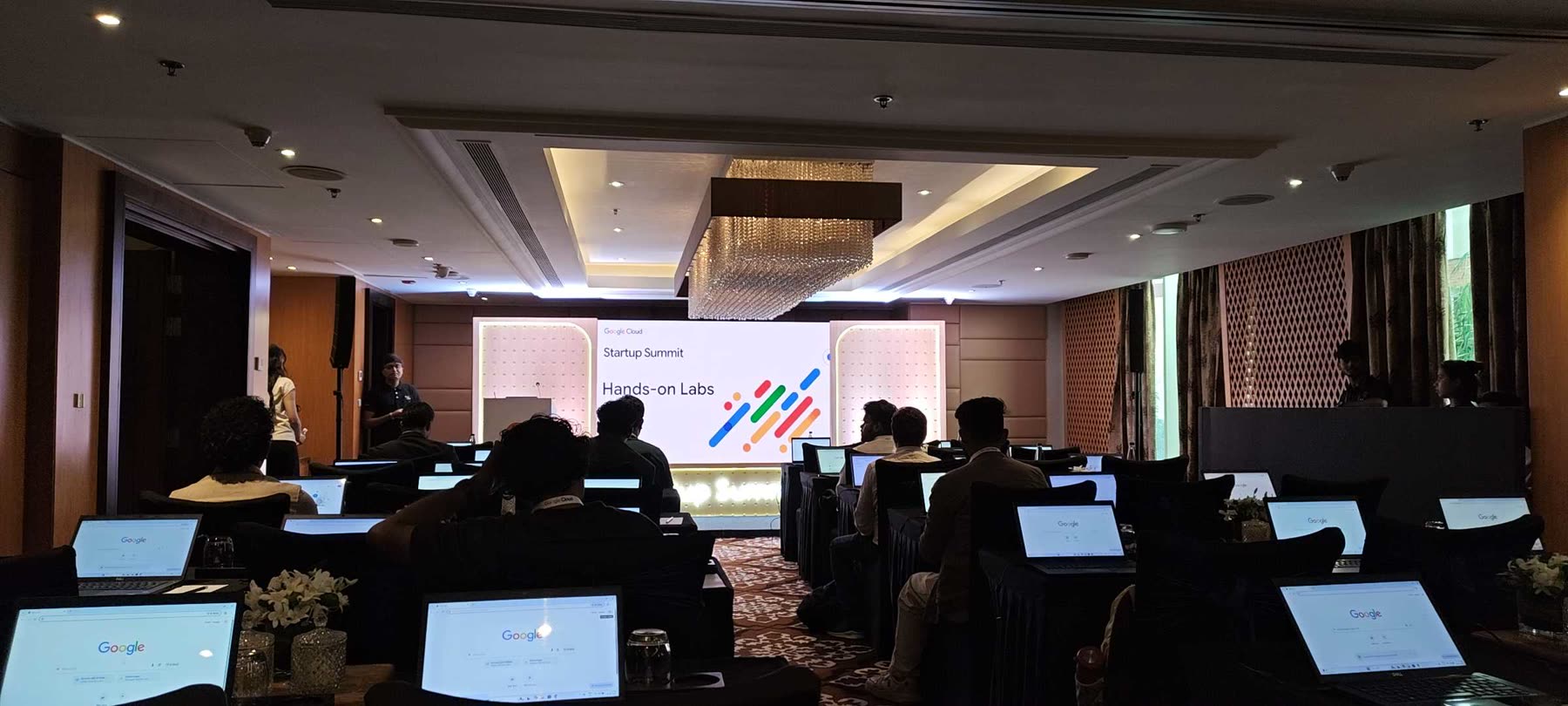
The summit wasn’t only talks. I also took part in the hands-on labs, where we built a RAG agent for Bengaluru’s Namma Metro.
The situation we designed for: a platform fills up with people. Say Marathahalli metro station is packed. Instead of commuters finding out when they get there, the agent provides insights about the situation so people can plan around it.
We built it hands-on with Antigravity, Google’s Agent Development Kit (ADK) and the Google Cloud console. Going from the ideas on stage to a working agent in the same day made the “agentic” shift feel very real.
My biggest takeaway
Don’t be afraid of AI. Don’t spend all your energy trying to predict where it is going.
- Learn how to consume it.
- Learn how to build with it.
- Learn how to adapt to it.
The competitive advantage may not belong to the company with the biggest model. It may belong to the company that figures out how to turn available intelligence into a useful product faster.
As someone building Showcaseme, these conversations gave me a lot to think about. More importantly, they gave me a lot to build.
One more thing
I’m happy to share that I placed 2nd in the LinkedIn contest conducted by Wozku. A small win, but a meaningful one. I’m grateful for the opportunity, the recognition, and the people who continue to push me to share, build and learn in public.
From conversations about the future of AI to being recognized for sharing my own perspective on LinkedIn, it was definitely a memorable day.
Keep learning. Keep building. Keep sharing.
From the summit
Found this useful? Share it.